Designing for Health
Designing for Health
turning hungerBox into a wellness partner
turning hungerBox into a wellness partner
The Brief
The Brief
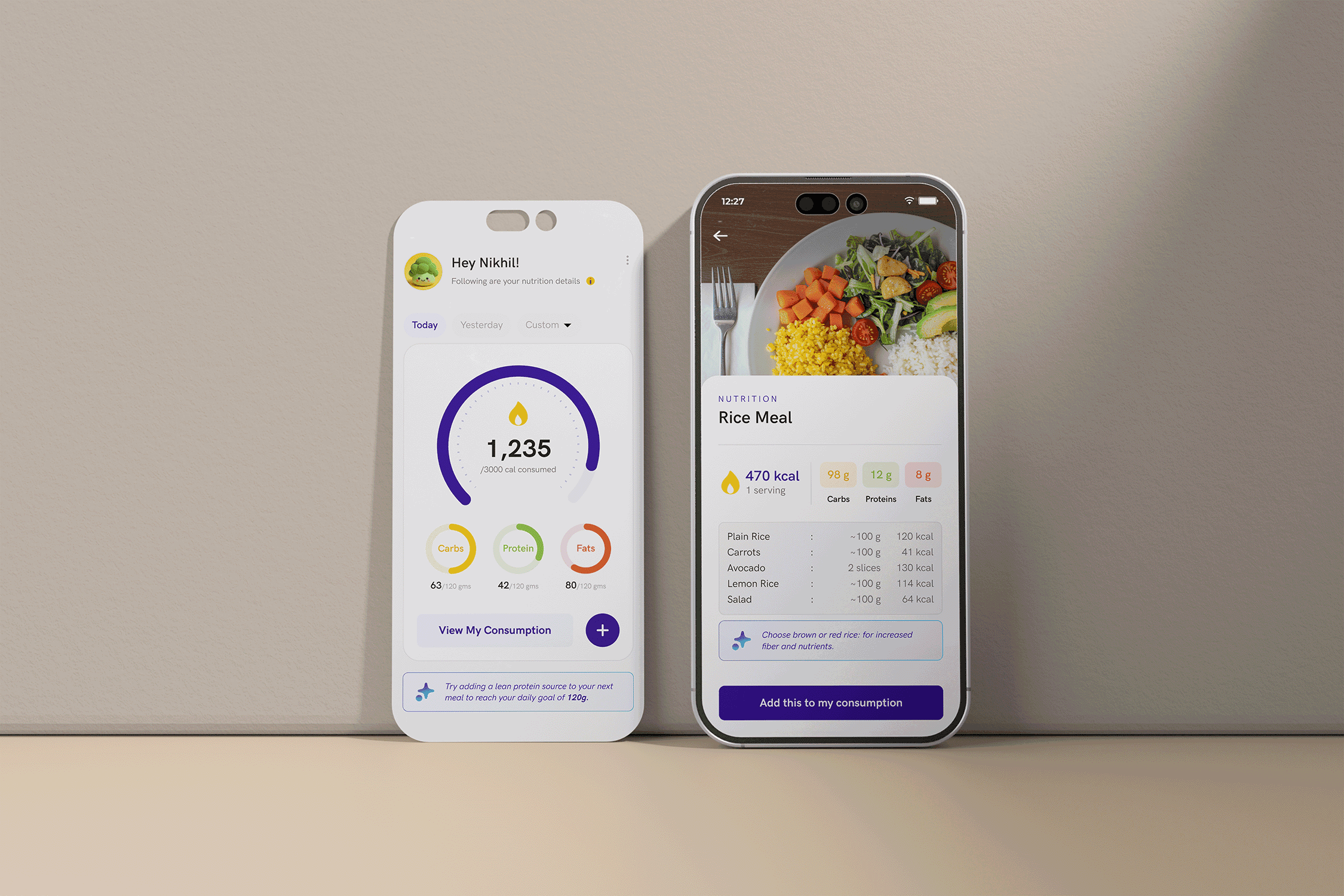
Implementing a health layer inside HungerBox that uses AI and nutrition intelligence to help users make smarter, healthier food choices every day.
Implementing a health layer inside HungerBox that uses AI and nutrition intelligence to help users make smarter, healthier food choices every day.
The Challenge
The Challenge
Bring transparency and personalized guidance to cafeteria food-without adding friction to the fast, high-frequency ordering experience.
Bring transparency and personalized guidance to cafeteria food-without adding friction to the fast, high-frequency ordering experience.
The Impact
The Impact
Positioned HungerBox as a wellness partner-not just a cafeteria solution. Driving:
18% higher engagement
12% healthier food adoption
1.5 lakh AI scans
Positioned HungerBox as a wellness partner-not just a cafeteria solution. Driving:
18% higher engagement
12% healthier food adoption
1.5 lakh AI scans
A little about
HungerBox
A little about
HungerBox
HungerBox is an institutional food tech platform which manages large corporate cafeterias.
We have 4 major value propositions:
1. SaaS.
2. Vendor partners.
3. Operations force.
4. Food Safety
Combined together it enables HungerBox to cater:
HungerBox is an institutional food tech platform which manages large corporate cafeterias.
We have 4 major value propositions:
1. SaaS.
2. Vendor partners.
3. Operations force.
4. Food Safety
Combined together it enables HungerBox to cater:
~7 Lakh
Daily Orders
3.8-4 Lakh
Daily Active Users
Problem:
A Cafeteria
Blind Spot
Problem:
A Cafeteria
Blind Spot
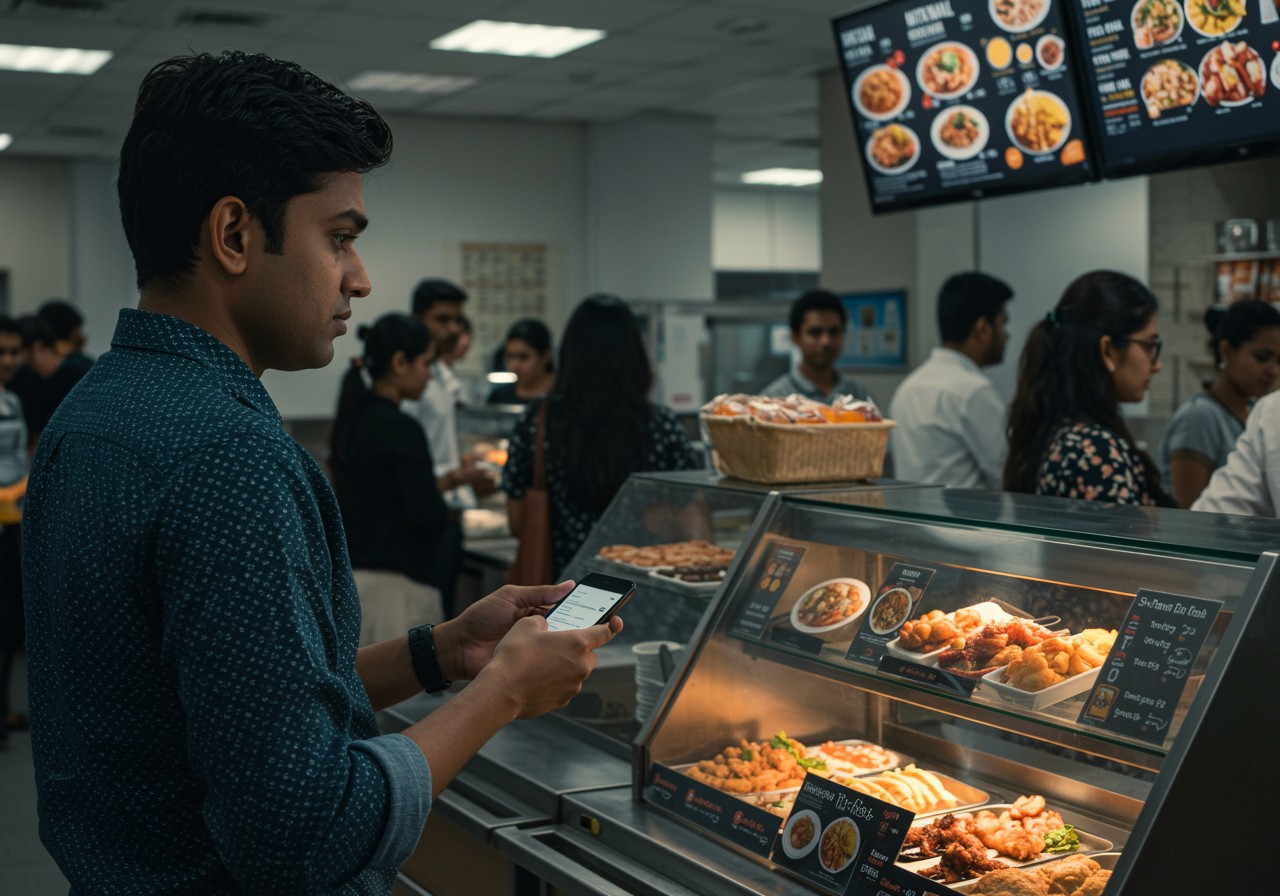
Cafeterias in corporate India are designed for efficiency, not awareness. You stand in line, scan a menu, order fast, eat fast. What you don’t know? How many calories that biryani has, or if the paneer butter masala you eat daily pushes your cholesterol.
HungerBox had digitized ordering, payments, and feedback. But when it came to nutrition transparency, there was nothing. Users cared. Corporates cared. Vendors had the data buried in spreadsheets. But no one had put it together into something actionable.
This wasn’t just a missed feature. It was a missed opportunity to make HungerBox relevant beyond convenience.
Cafeterias in corporate India are designed for efficiency, not awareness. You stand in line, scan a menu, order fast, eat fast. What you don’t know? How many calories that biryani has, or if the paneer butter masala you eat daily pushes your cholesterol.
HungerBox had digitized ordering, payments, and feedback. But when it came to nutrition transparency, there was nothing. Users cared. Corporates cared. Vendors had the data buried in spreadsheets. But no one had put it together into something actionable.
This wasn’t just a missed feature. It was a missed opportunity to make HungerBox relevant beyond convenience.
a health conscious user trying to figure calories on the go
My Role
My Role
Owning the the entire end-to-end journey of Health Layer Implementation.
I was responsible for making sure everything worked - for everyone, everyday. Also, to browse new revenue generation streams.
Owning the the entire end-to-end journey of Health Layer Implementation.
I was responsible for making sure everything worked - for everyone, everyday. Also, to browse new revenue generation streams.
Duration
Duration
12 Weeks
12 Weeks
Team
Team
1 Product Manager
5 Engineers
1 Designer
1 Product Manager
5 Engineers
1 Designer
Defining
Success Metrics
Defining
Success Metrics
These baselines became our benchmark for measuring future success:
These baselines became our benchmark for measuring future success:
DAU for this particular module
DAU for this particular module
Avg. Engagement Time
Avg. Engagement Time
Drop-off time
Drop-off time
#items + AOV of items orders through this module
#items + AOV of items orders through this module
Research:
Listening to the
Health- Conscious User
Research:
Listening to the
Health- Conscious User
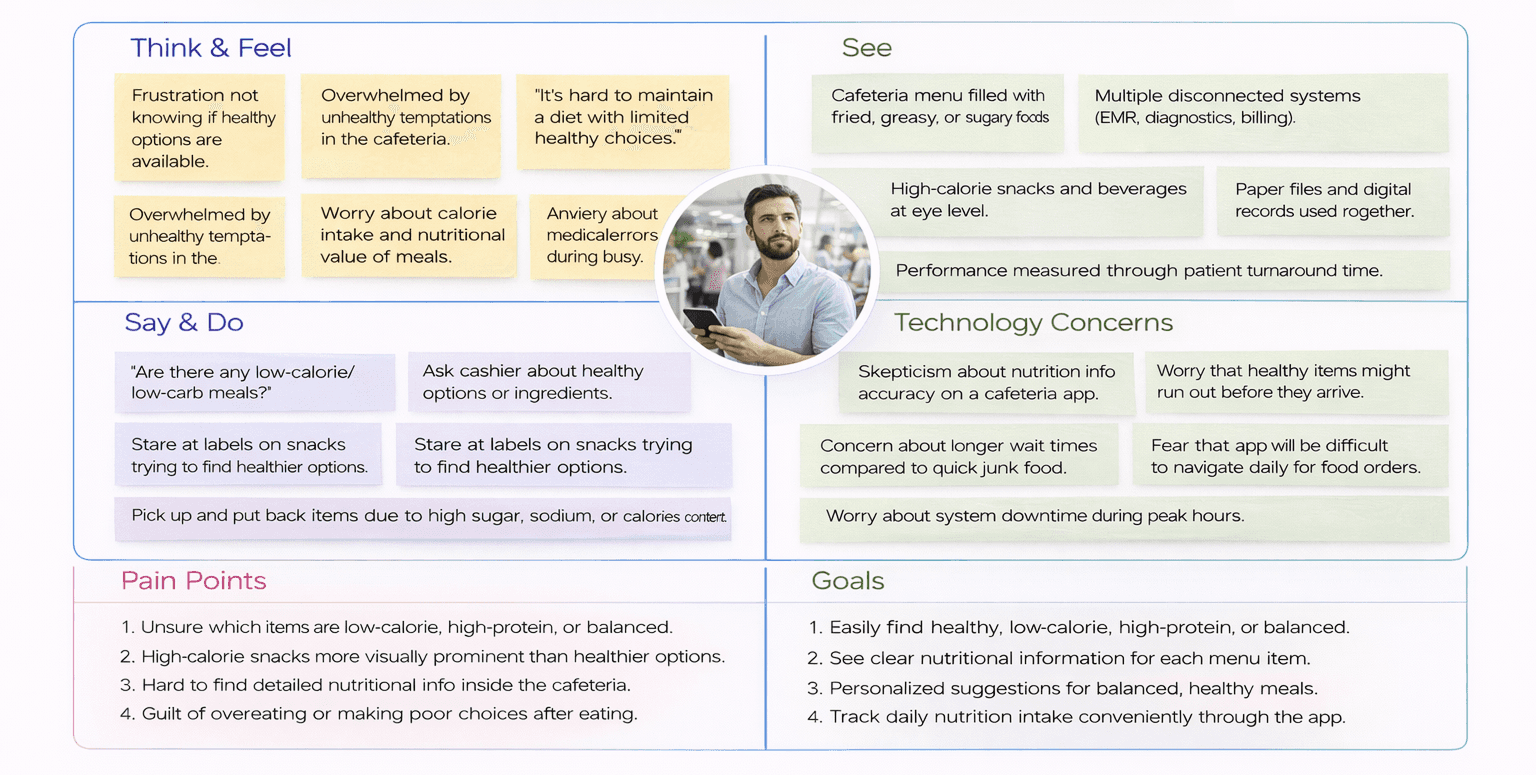
We began by talking to the people most frustrated with the blind spot.
Interviews: 80+ employees who tracked food manually with HealthifyMe or Excel sheets.
Diary Studies: Asked users to record what they ate at work and how they tracked it.
Corporate Wellness Teams: Learned what companies were already offering (yoga sessions, health camps), but none touched daily food choices.
We began by talking to the people most frustrated with the blind spot.
Interviews: 80+ employees who tracked food manually with HealthifyMe or Excel sheets.
Diary Studies: Asked users to record what they ate at work and how they tracked it.
Corporate Wellness Teams: Learned what companies were already offering (yoga sessions, health camps), but none touched daily food choices.
a health conscious user insight framework
user segments - not all the users behave same
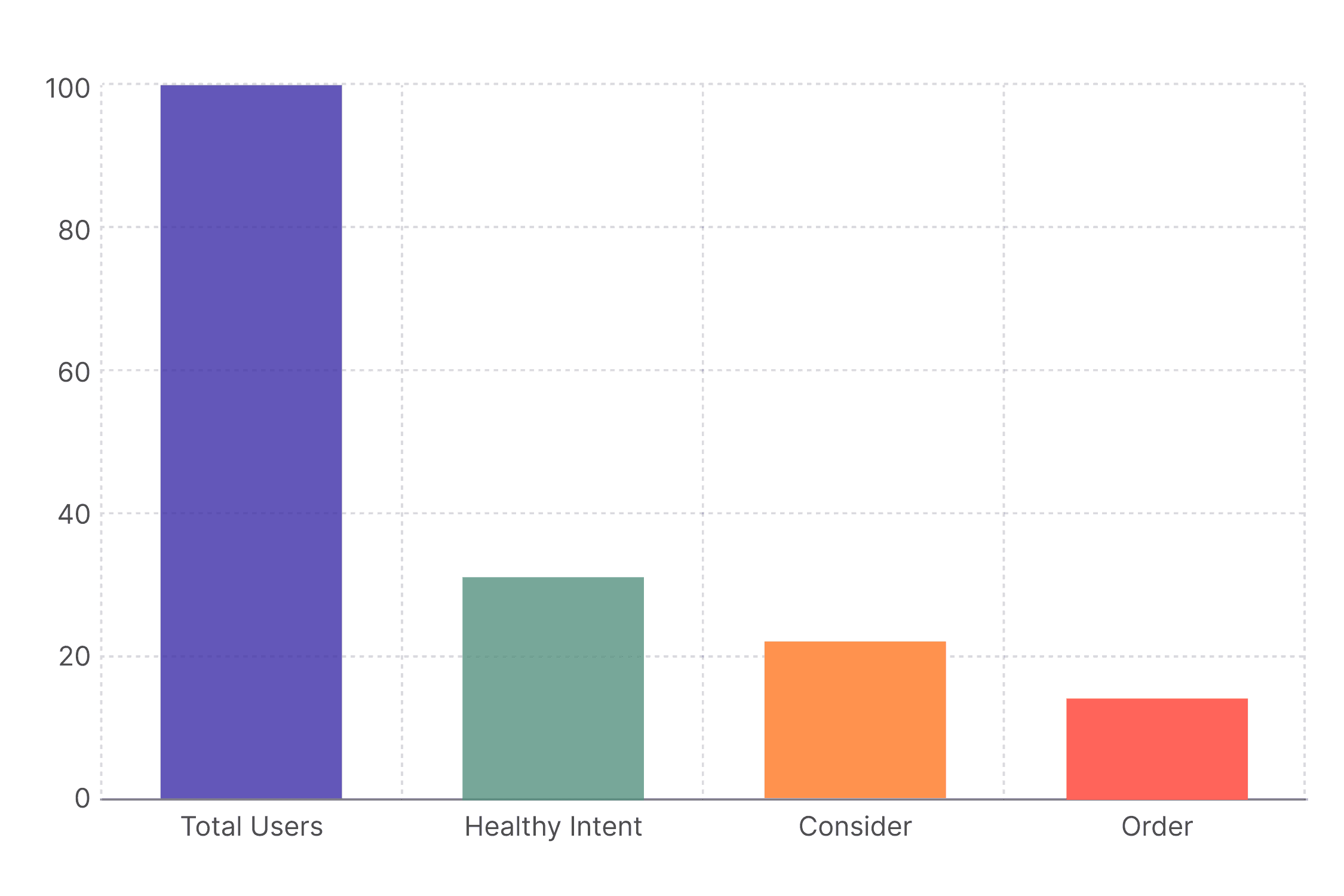
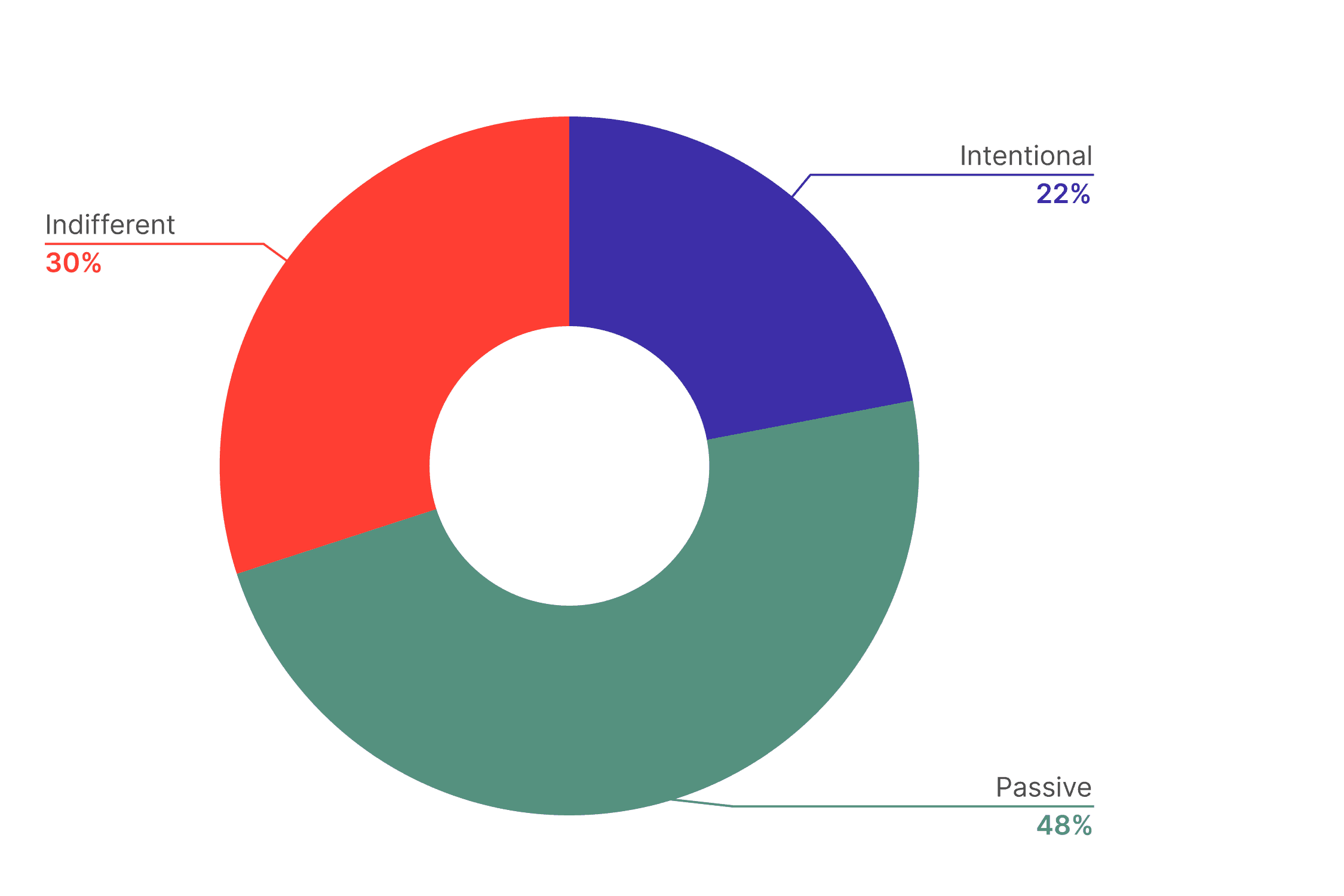
over 50% drop-off during decision stage
Everyday, I log into my health app to add calories, but it doesn't even have my cafeteria dishes.
Everyday, I log into my health app to add calories, but it doesn't even have my cafeteria dishes.
What's the point?
What's the point?
Partnering with
Nutritionists
Partnering with
Nutritionists
Numbers alone weren’t enough. We partnered with nutritionists and FSSAI experts to:
Map nutritional values for 500+ cafeteria items
Standardize serving sizes
Build a database of allergens and dietary restrictions (e.g., vegan, Jain food)
This gave us a scientific backbone. Without it, the feature would be dismissed as “gimmicky.”
Numbers alone weren’t enough. We partnered with nutritionists and FSSAI experts to:
Map nutritional values for 500+ cafeteria items
Standardize serving sizes
Build a database of allergens and dietary restrictions (e.g., vegan, Jain food)
This gave us a scientific backbone. Without it, the feature would be dismissed as “gimmicky.”
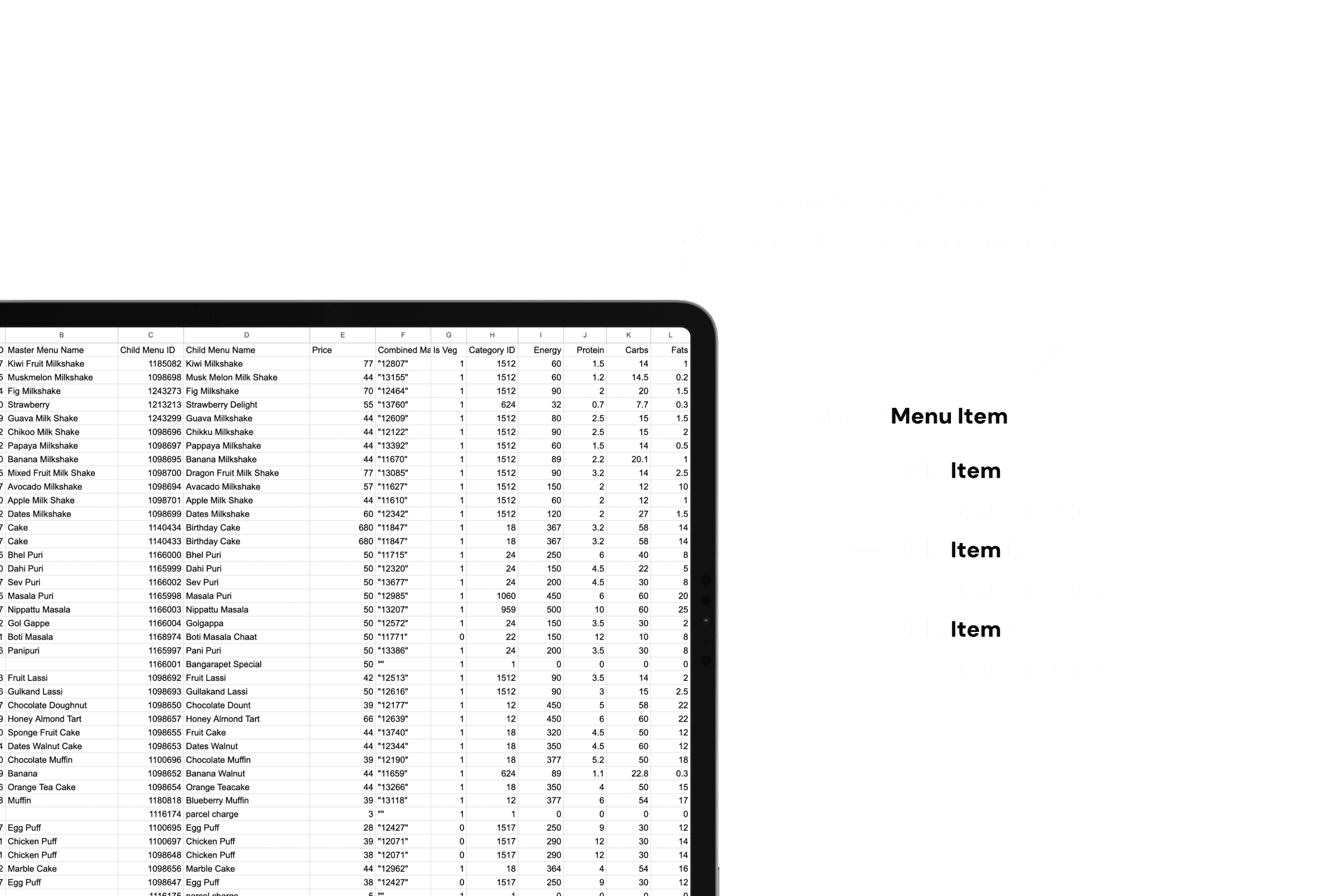
master menu management
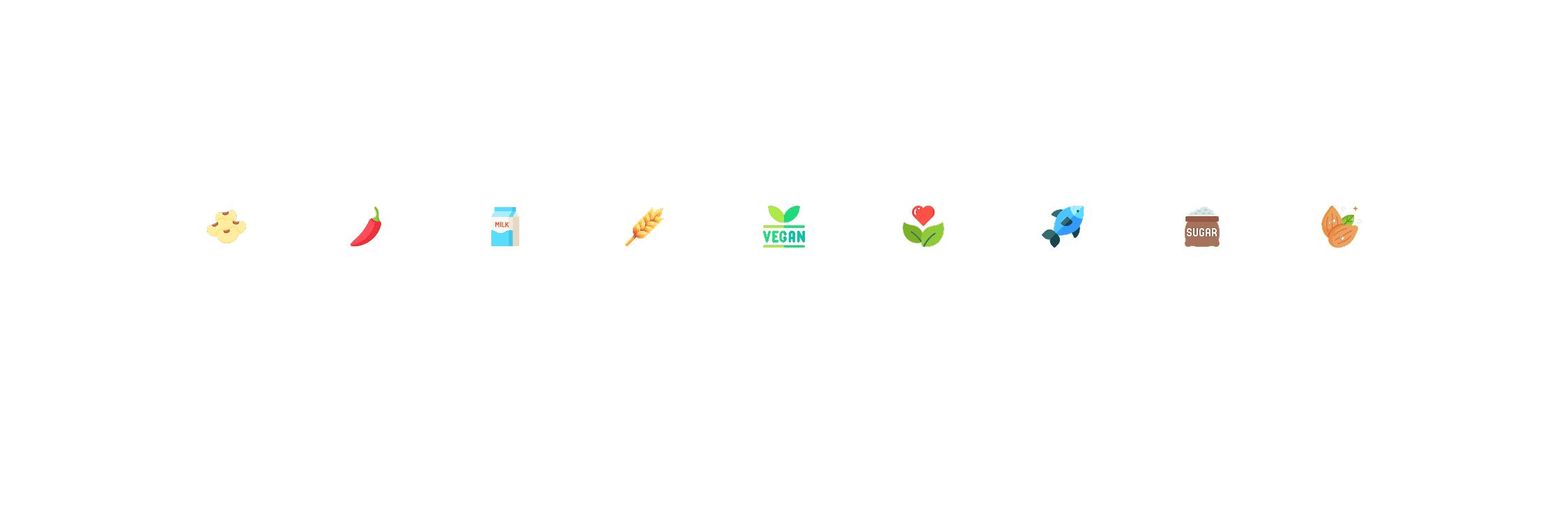
allergen tags
Making it helpful,
not preachy
Making it helpful,
not preachy
Core design principles we followed:
Clarity over complexity : show calories and macros upfront, deeper data only if the user wants it.
Nudges, not nags : gentle prompts like “You’ve hit your protein goal, balance with veggies at dinner.”
Integrated, not separate : health woven into ordering, not a separate tab.
We prototyped three approaches:
Static labels (always-on calorie numbers)
Expandable overlays (tap to see macros)
Smart recommendations (suggested add-ons like curd, salad)
User testing showed a hybrid worked best: upfront calories + optional deeper dive.
Core design principles we followed:
Clarity over complexity → show calories and macros upfront, deeper data only if the user wants it.
Nudges, not nags → gentle prompts like “You’ve hit your protein goal, balance with veggies at dinner.”
Integrated, not separate → health woven into ordering, not a separate tab.
We prototyped three approaches:
Static labels (always-on calorie numbers)
Expandable overlays (tap to see macros)
Smart recommendations (suggested add-ons like curd, salad)
User testing showed a hybrid worked best: upfront calories + optional deeper dive.

expandable menu card to show macros clearly
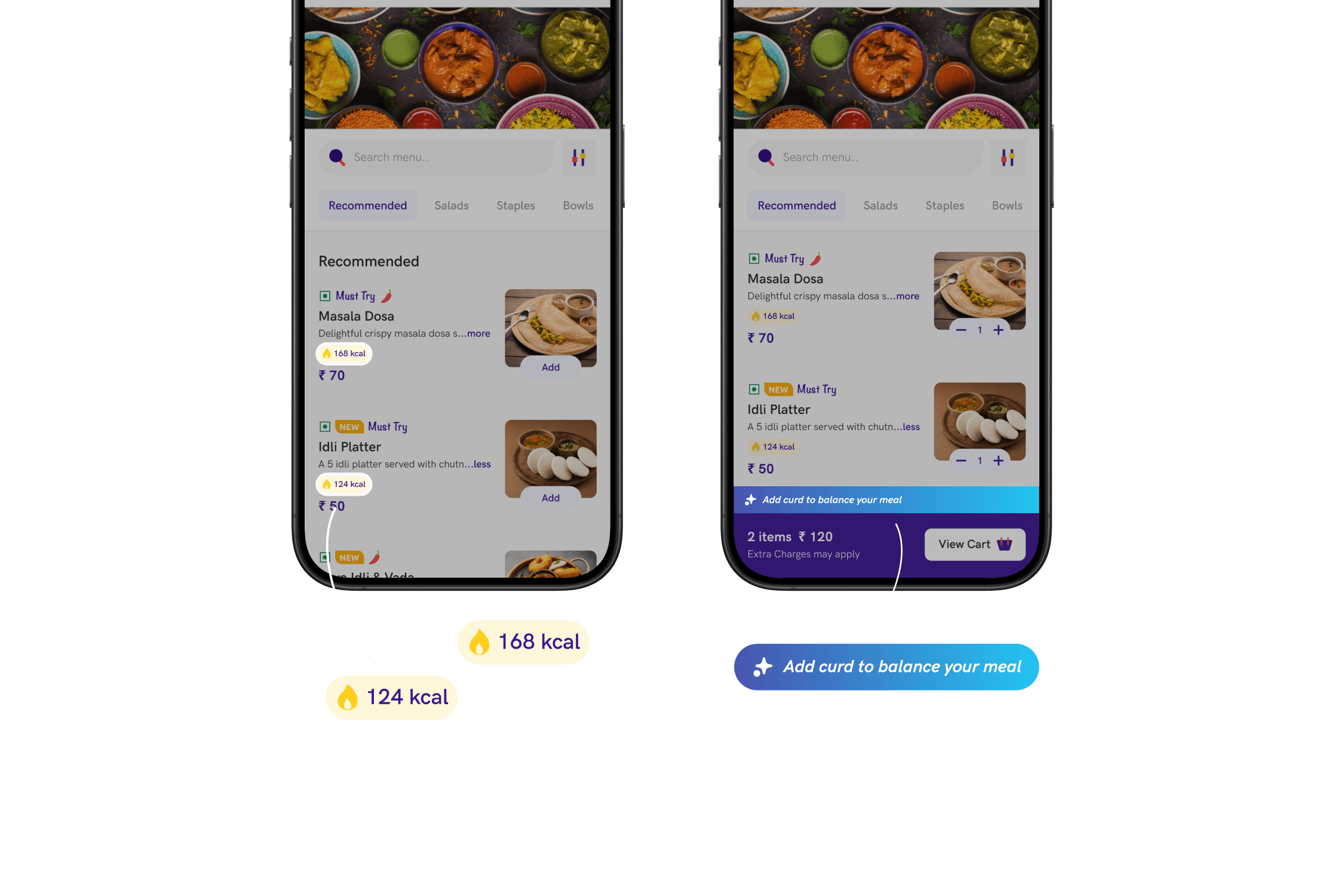
calorie tags & AI suggestions
But what if the menu item was not into our system??
But what if the menu item was not into our system??
The PRD said 'ADD AI.'
The PRD said 'ADD AI.'
Design Principles
Design Principles
To avoid getting lost into this AI hype, we defined principles to anchor our decisions:
Control
Transparency
Scalability
To avoid getting lost into this AI hype, we defined principles to anchor our decisions:
Control
Transparency
Scalability
The AI Magic:
Scanning Plates
The AI Magic:
Scanning Plates
The boldest feature was AI food recognition. Users could snap a photo of their plate, and the model would:
Detect dishes
Estimate portion sizes
Fetch macros from our database
This wasn’t easy. Cafeteria food is messy, lighting is poor, plates overlap. Our data science team trained the model on thousands of real cafeteria images (not Instagram-perfect photos).
We kept the UX grounded: users could correct dish names or portion sizes if AI guessed wrong. This transparency built trust in the machine.
The boldest feature was AI food recognition. Users could snap a photo of their plate, and the model would:
Detect dishes
Estimate portion sizes
Fetch macros from our database
This wasn’t easy. Cafeteria food is messy, lighting is poor, plates overlap. Our data science team trained the model on thousands of real cafeteria images (not Instagram-perfect photos).
We kept the UX grounded: users could correct dish names or portion sizes if AI guessed wrong. This transparency built trust in the machine.
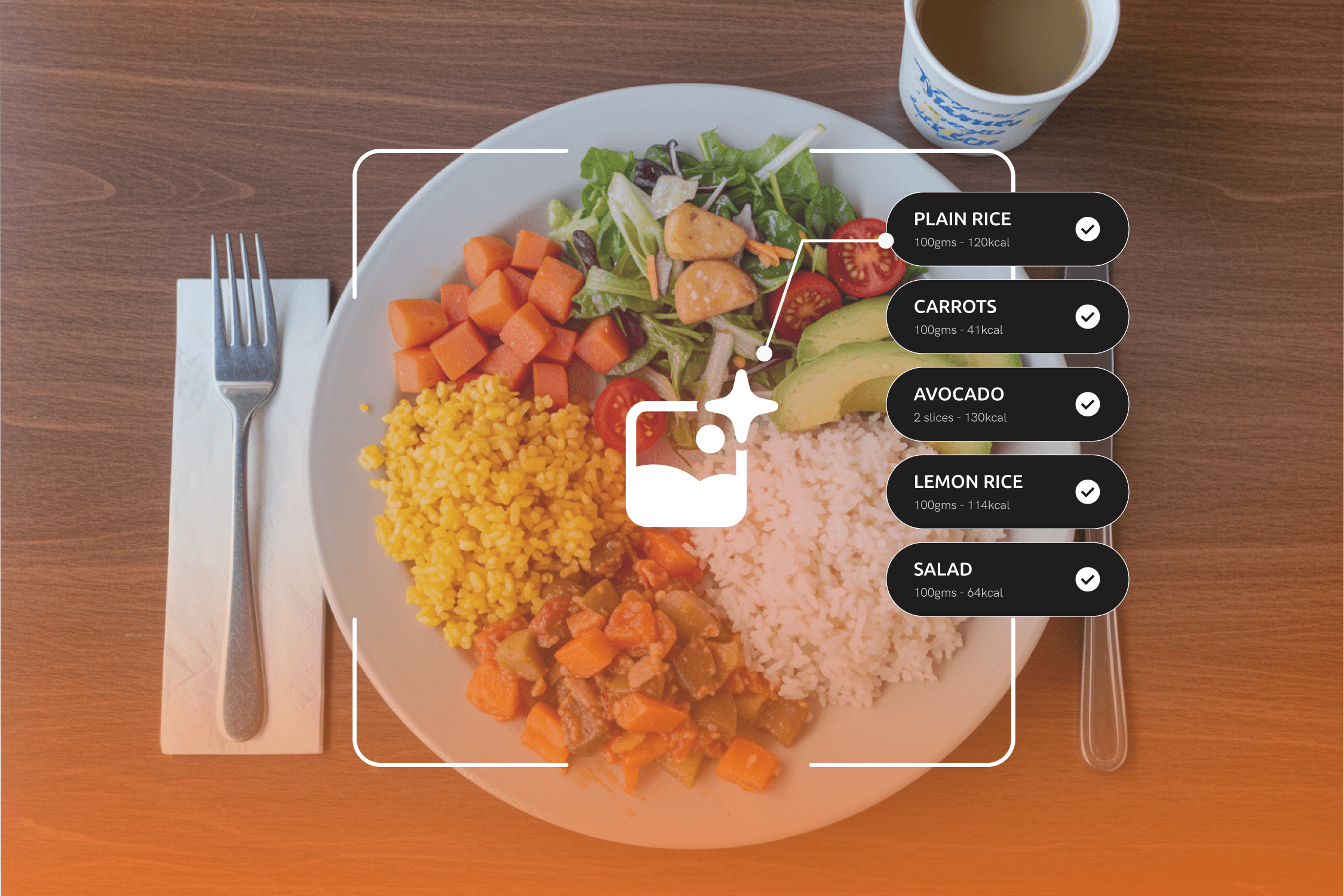
camera detects dishes and estimated portion size & macros
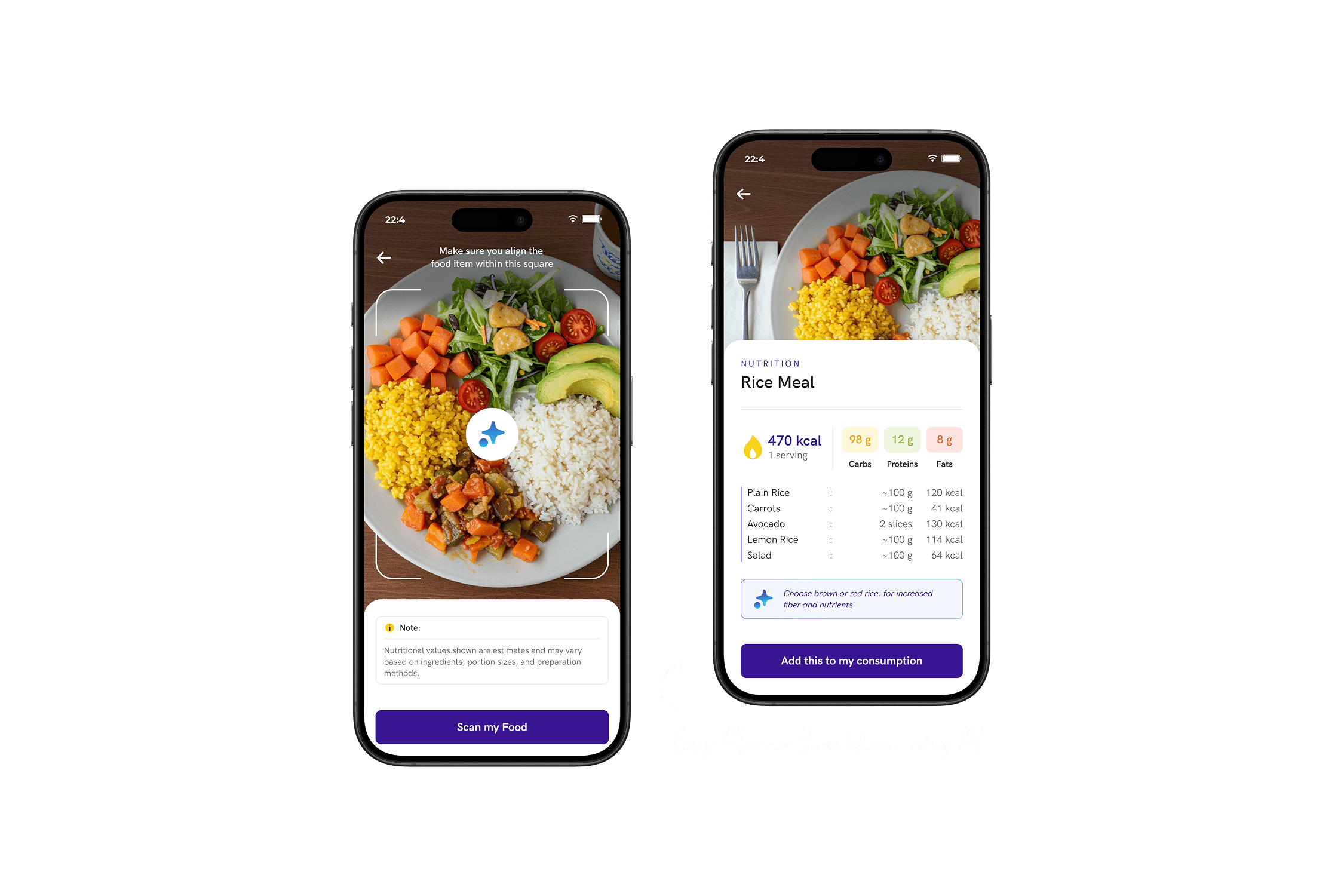
Implementation
Challenges
Implementation
Challenges
Messy menus: We built a master menu management system (parent-child mapping, allergens, nutrition inheritance) to standardize dishes across 600+ cafeterias.
Vendor adoption: Had to train vendors to update menus with accurate nutrition info.
Privacy concerns: Ensured data storage was compliant, and all health insights stayed user-side.
Messy menus: We built a master menu management system (parent-child mapping, allergens, nutrition inheritance) to standardize dishes across 600+ cafeterias.
Vendor adoption: Had to train vendors to update menus with accurate nutrition info.
Privacy concerns: Ensured data storage was compliant, and all health insights stayed user-side.
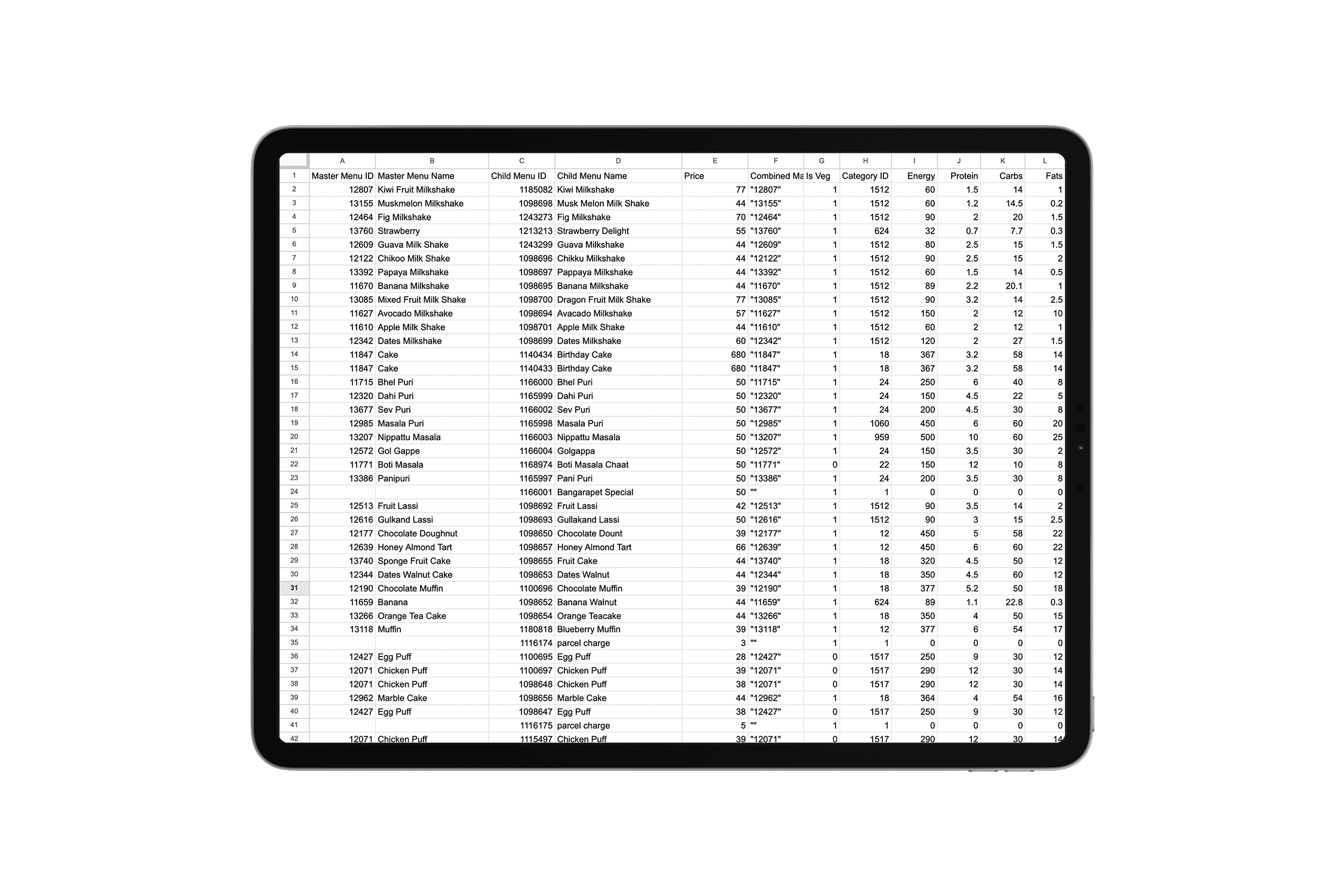
our master menu was messed up on whole another level
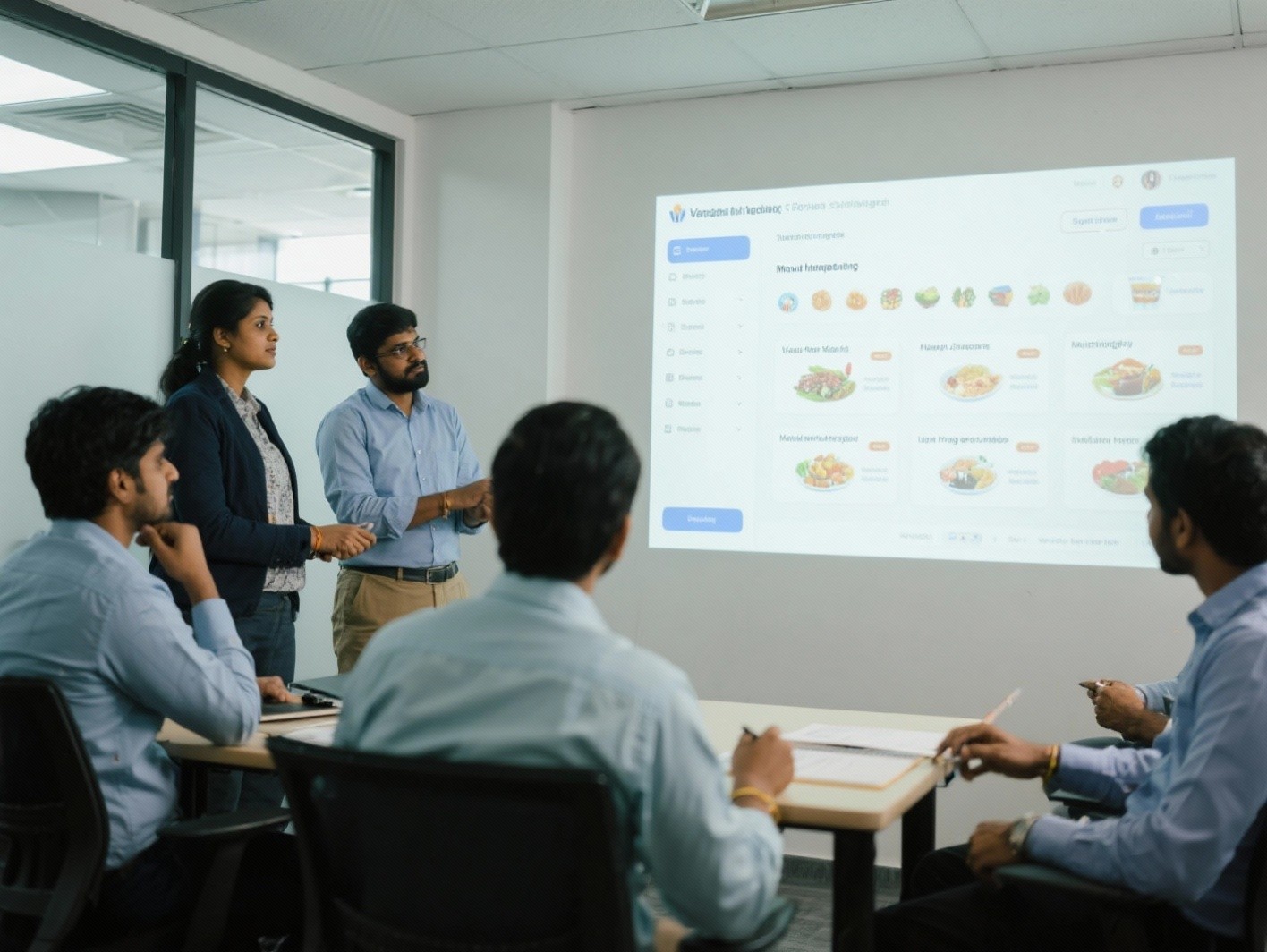
vendors needed to be trained with nutritional info
One final Take
One final Take
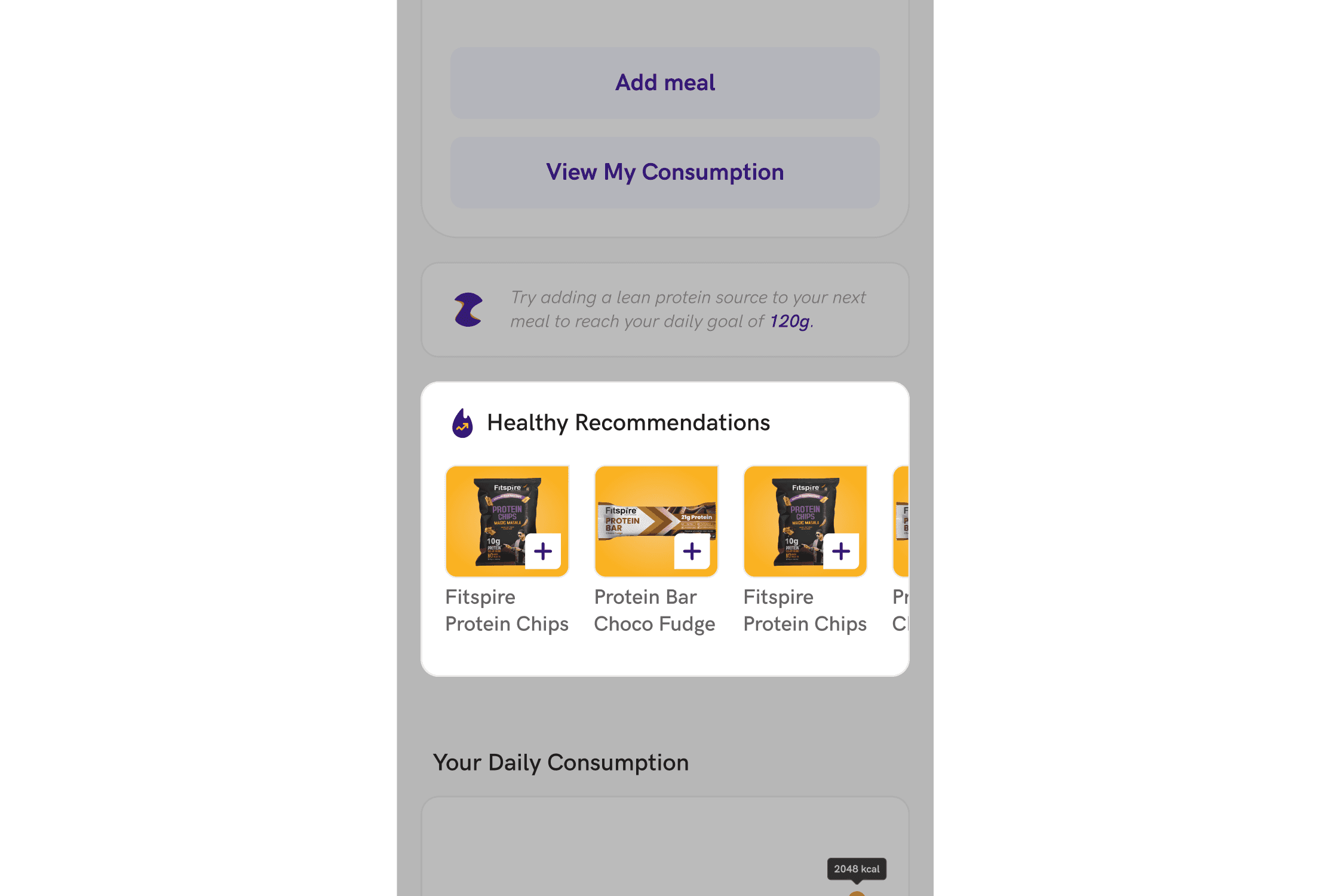
What about the revenue generation streams??
We took it as a golden opportunity to partner with industry leading nutrition brands to upsell their products on our platform.
What about the revenue generation streams??
We took it as a golden opportunity to partner with industry leading nutrition brands to upsell their products on our platform.
Rollout &
Adoption
Rollout &
Adoption
We piloted the module with 3 corporates (20k+ employees). To drive adoption, we:
Launched “Know Your Food Week” campaigns in cafeterias
Added gamification badges (“Balanced Plate”, “Protein Champ”)
Partnered with corporate HR to integrate into wellness challenges
We piloted the module with 3 corporates (20k+ employees). To drive adoption, we:
Launched “Know Your Food Week” campaigns in cafeterias
Added gamification badges (“Balanced Plate”, “Protein Champ”)
Partnered with corporate HR to integrate into wellness challenges
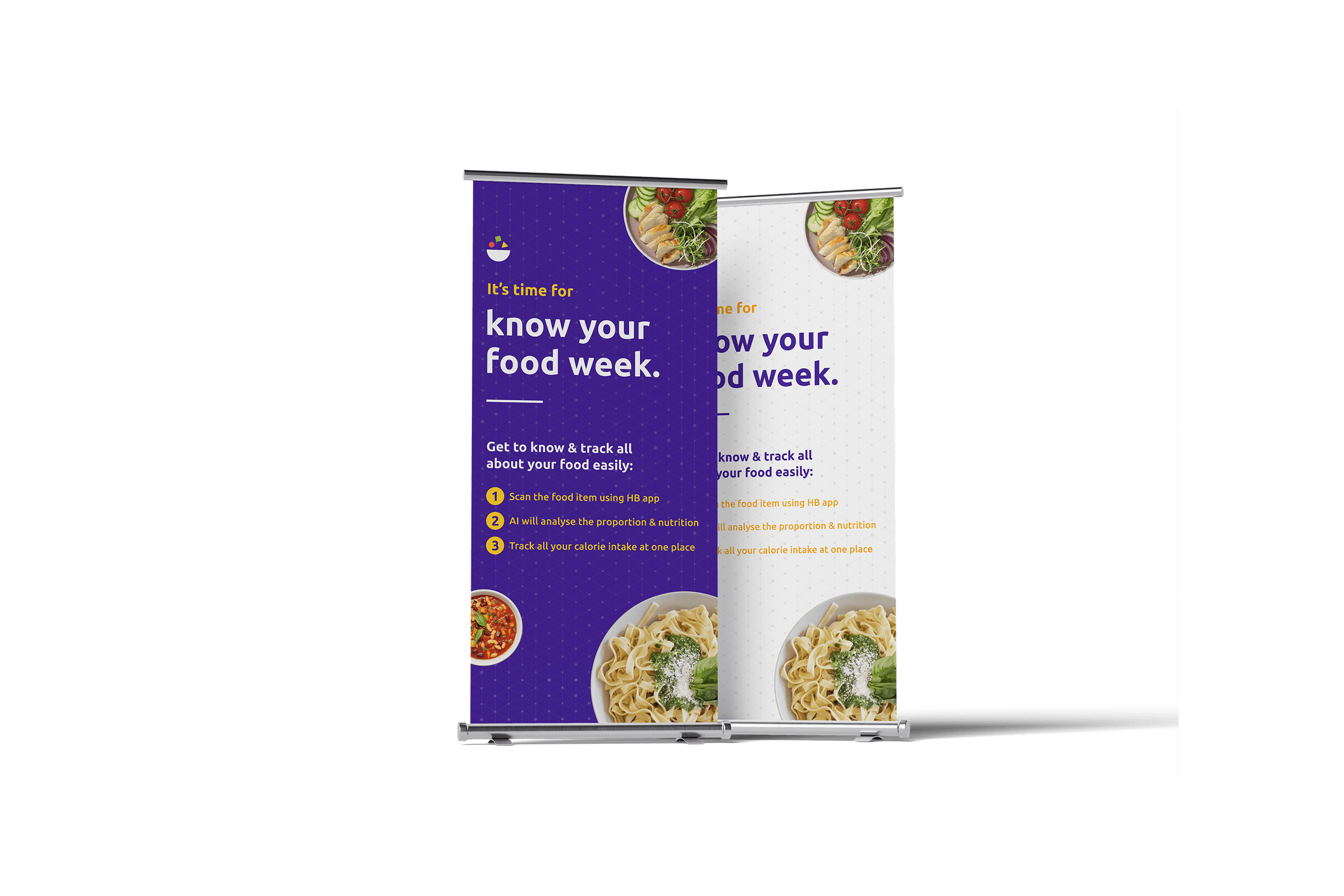
know your food week was organised to boost the adoption
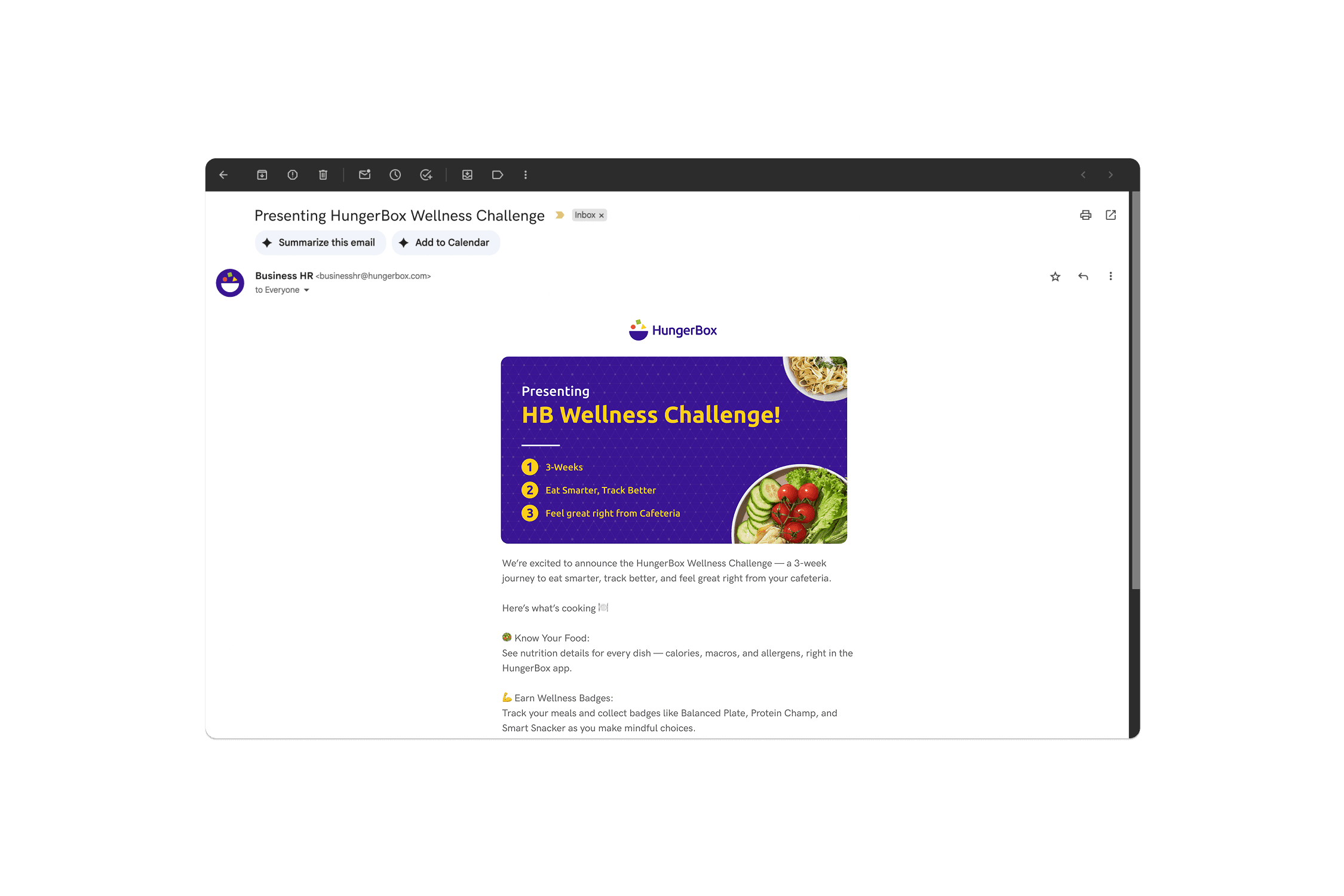
wellness challenges were organised to increase awarness
Impact
Impact
Within the first 3 months:
Within the first 3 months:
74k daily active users
74k% daily active users
who opened health module atleast once
who opened health module atleast once
18% lesser engagement
18% lesses engagement
in the app's ordering journey
in the app's ordering journey
12% increase
12% increase
in healthier dish sales in pilot cafeterias
in healthier dish sales in pilot cafeterias
20+ corporates
20+ corporates
requested access for their wellness programs
requested access for their wellness programs
4+ nutrition brand integrations
4+ nutrition brand integrations
Reflection: Designing beyond Orders
Reflection:
Designing beyond Orders
This was more than a feature. It was HungerBox’s first step into wellness design.
For users, it turned the cafeteria into a place of awareness. For corporates, it became a tool to prove investment in employee health. For HungerBox, it meant expanding from “ordering convenience” into “daily well-being.”
For me personally, it reinforced that AI and data mean nothing without empathy. A plate scanner is cool, but what matters is whether the user feels supported in their goals. Designing this module taught me to respect both science and sensitivity.
This was more than a feature. It was HungerBox’s first step into wellness design.
For users, it turned the cafeteria into a place of awareness. For corporates, it became a tool to prove investment in employee health. For HungerBox, it meant expanding from “ordering convenience” into “daily well-being.”
For me personally, it reinforced that AI and data mean nothing without empathy. A plate scanner is cool, but what matters is whether the user feels supported in their goals. Designing this module taught me to respect both science and sensitivity.
thank you!
keep exploring
thank you!
keep exploring


Bringing ideas
to life,
one product
at a time
Made with 🔥

Bringing ideas to life,
one product at a time
Made with 🔥